
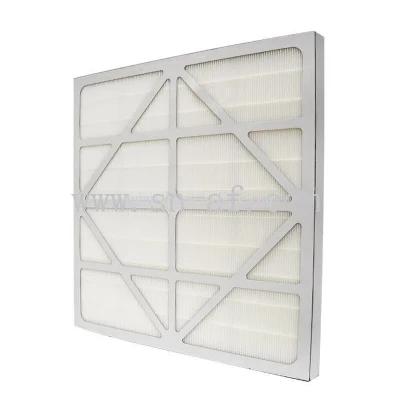
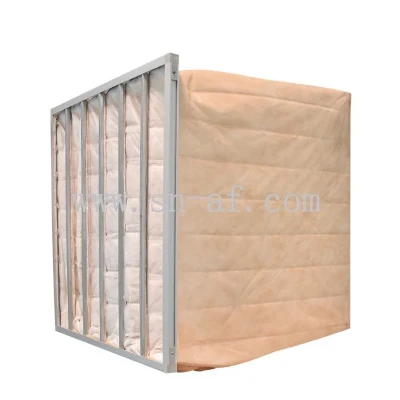
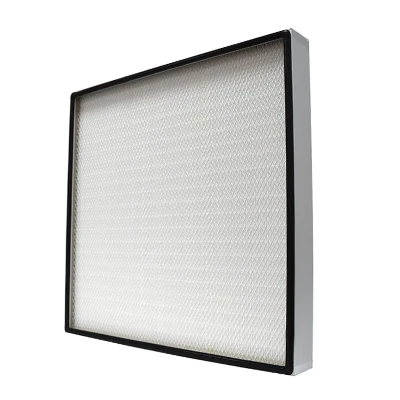
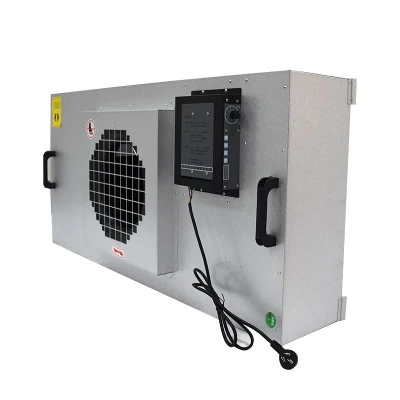
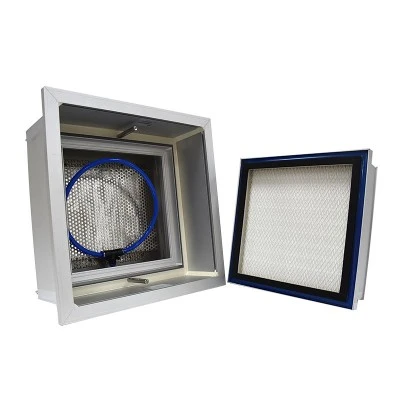
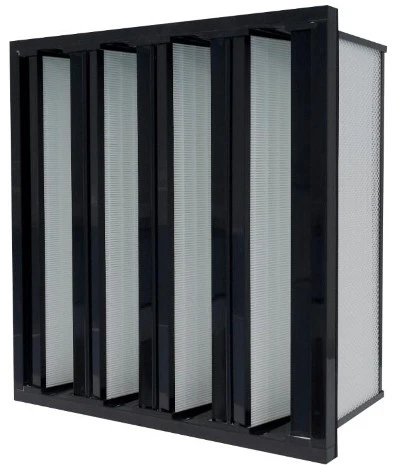
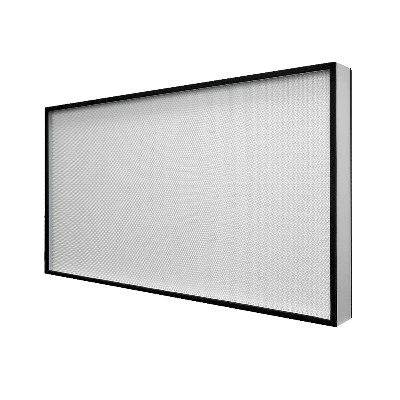
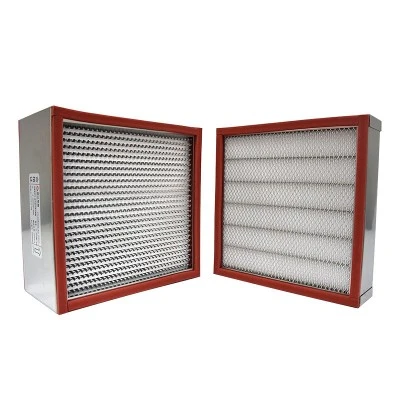
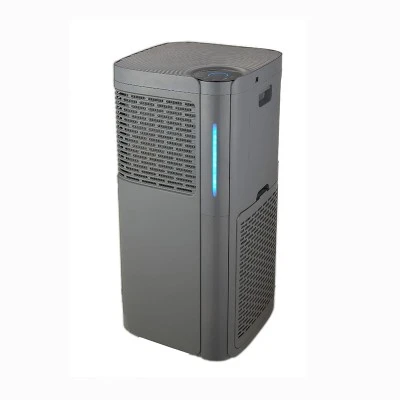
HEPA (High Efficiency Particulate Air) filters are used for a wide range of applications where high-level filtration of airborne particles is required to improve indoor air quality, maintain clean environments, or protect against airborne contaminants. Here are some common uses of HEPA filters:
Air Purifiers: HEPA filters are commonly used in standalone air purifiers designed for residential and commercial use. These air purifiers help remove a variety of airborne particles, including dust, pollen, pet dander, mold spores, allergens, and fine particles, to improve indoor air quality.
HVAC Systems: Some heating, ventilation, and air conditioning (HVAC) systems use HEPA filters to enhance the quality of the air circulated within a building. This is especially common in hospital settings, cleanrooms, and other environments where maintaining clean air is critical.
Vacuum Cleaners: HEPA filters are incorporated into vacuum cleaners to trap and retain fine particles, preventing them from being released back into the air during vacuuming. HEPA filter vacuums are often recommended for individuals with allergies or asthma.
Cleanrooms: Cleanrooms in industries such as pharmaceuticals, electronics manufacturing, and biotechnology require extremely clean air environments. HEPA filters are used to provide a controlled environment with minimal airborne particulate contamination.
Laboratories: Laboratories and research facilities use HEPA filters in biological safety cabinets, laminar flow hoods, and fume hoods to maintain sterile conditions and prevent the release of hazardous particles.
Hospitals: HEPA filters are employed in healthcare settings to maintain clean air in operating rooms, isolation rooms, and other areas where infection control and air quality are crucial.
Nuclear Facilities: HEPA filters are used in nuclear facilities to capture and retain radioactive particles, preventing their release into the environment.
Aircraft and Clean Transportation: Some aircraft and vehicles equipped with advanced air filtration systems use HEPA filters to enhance cabin air quality and reduce the spread of airborne contaminants.
Manufacturing and Industrial Processes: Industries that produce fine powders, chemicals, or materials that can become airborne may use HEPA filtration to control emissions and maintain a clean work environment.
Asbestos and Lead Abatement: During asbestos and lead abatement projects, HEPA filters are used in specialized equipment, such as negative air machines and vacuums, to capture hazardous particles and prevent their release.
Residential and Commercial Buildings: In areas with high levels of outdoor pollution, construction dust, or other contaminants, HEPA filters can be used in central air filtration systems to improve indoor air quality.
In summary, HEPA filters are used in a wide range of applications to provide effective filtration and maintain clean air environments. Their ability to capture particles as small as 0.3 microns with high efficiency makes them a valuable tool for improving air quality and ensuring the safety of various industries and settings.